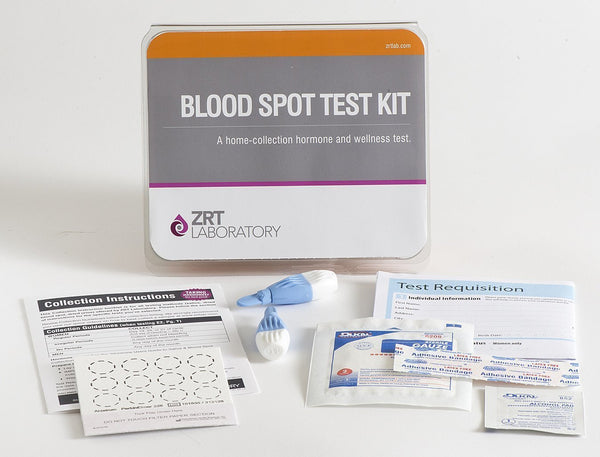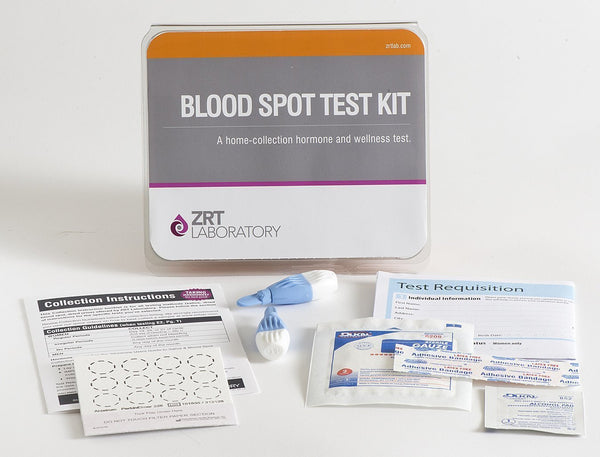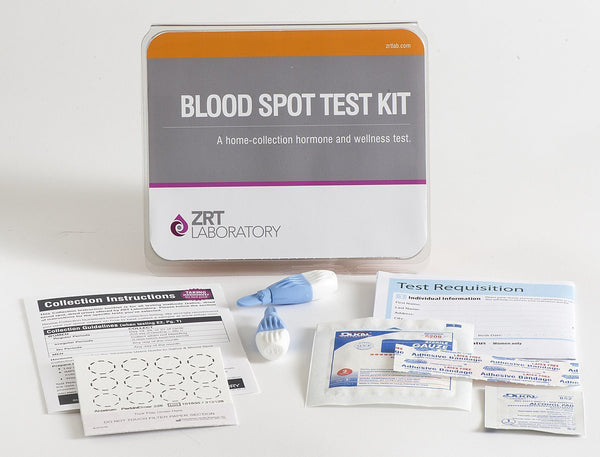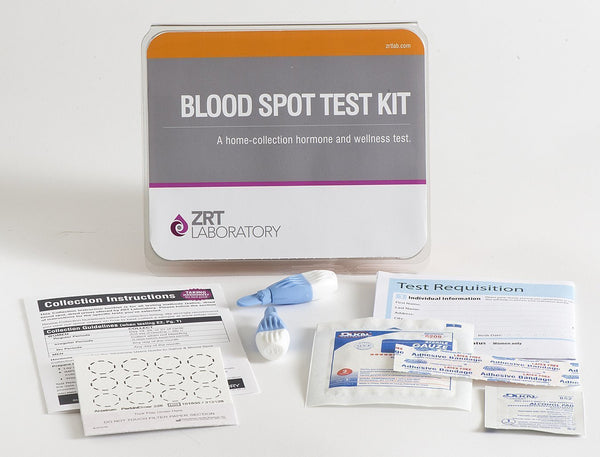


Blood Spot Male Hormone Test (Full Profile) is designed for test 33 following essential hormones and elements as follows:
- Cadmium (Cd)
- Copper (Cu)
- Cortisol (C)
- DHEA-S (DS)
- Estradiol (Estrogen) (E2)
- Estriol Hormone (E3)
- Estrone Hormone (E1)
- Follicle Stimulating Hormone (FSH)
- Free Thyroxine (fT4)
- Free Triiodothyronine (fT3)
- HDL Cholesterol (HDL)
- Hemoglobin A1c (HbA1c)
- High Sensitivity C-Reactive Protein (hs-CRP)
- Insulin (Fasting) (IN)
- LDL (Calculated)
- Luteinizing Hormone (LH)
- Magnesium (Mg)
- Mercury (Hg)
- Progesterone (Pg)
- Prostate-Specific Antigen (PSA)
- Selenium (Se)
- Sex Hormone Binding Globulin (SHBG)
- Testosterone (T)
- Thyroglobulin (Tgbn)
- Thyroid Peroxidase Antibody (TPOab)
- Thyroid Stimulating Hormone (TSH)
- Total Cholesterol (CH)
- Total Thyroxine (tt4)
- Triglycerides (TG)
- VLDL (Calculated)
- Vitamin D2 Total (Calculated)
- Vitamin D3 Total (Calculated)
- Zinc (Zn)
Test Result: You will receive your test result 3-5 working days after the laboratory receives your sample. You will see your hormone levels in graphics and numbers on your test results. You will also see laboratory comments by Hormone Specialist PhD Dr in the comments: you will find Dr analysis of your hormone levels and what to do next.
- Collect samples from the comfort of your home and post them to our lab.
- The test must be used within 12 months after the purchase date.
- The test kit includes a laboratory fee: no additional laboratory cost and tax.
- Customers are responsible for shipping their samples to the laboratory.
Testosterone is the primary male hormone; as men age, testosterone levels start to decrease. However, age is not the only reason for a decline in testosterone levels; overtraining can also reduce levels.
Understanding your levels of these key biomarkers and tracking them over time can help you manage symptoms you may be experiencing.
Symptom Categories & Corresponding Symptoms - Male
Male Estrogen/Progesterone Deficiency Symptoms:
Depressed, Heart palpitations, Hot flashes, Neck or back pain, Night sweats, Sleeping difficulties
Male Estrogen Dominance/ Progesterone Deficiency Symptoms:
Body temperature cold, Irritable, Libido decreased, Prostate problems, Urinary urge increased, Urine flow decreased, Weight gain breast or hips
Male Metabolic Syndrome Symptoms:
Blood pressure high, Cholesterol high, Depressed, Dizzy spells, Erections decreased, Irritable, Muscle size decreased, Muscle soreness, Numbness feet or hands, Sugar cravings, Triglycerides elevated, Weight gain waist
Male Low Androgens (DHEA/Testosterone Deficiency) Symptoms:
Allergies, Apathy, Body temperature cold, Bone loss, Burned out feeling, Depressed, Erections decreased, Fatigue evening, Fatigue mental, Fatigue morning, Flexibility decreased, Forgetfulness, Headaches, Heart palpitations, Hot flashes, Irritable, Joint pain, Libido decreased, Mental sharpness decreased, Muscle size decreased, Muscle soreness, Neck or back pain, Night sweats, Prostate problems, Rapid ageing, Ringing in ears, Skin thinning, Stamina decreased, Stress, Triglycerides elevated, Urinary urge increased, Urine flow decreased, Weight gain waist
Male High Androgens (DHEA/Testosterone Deficiency) Symptoms :
Acne, Aggressive behaviour, Anxious, Blood pressure high, Hair or skin oily, Irritable, Nervous, Sleeping difficulty, Sugar cravings, Weight gain breast or hips
Male Low Cortisol Deficiency Symptoms:
Allergies, Apathy, Blood pressure low, Blood sugar loss, Body temperature cold, Burned out feeling, Chemical sensitivity, Depressed, Dizzy spells, Fatigue evening, Fatigue mental, Fatigue morning, Infertility, Irritable, Joint pain, Mental sharpness decreased, Neck or back pain, Pulse rate slow, Stamina decreased, Stress, Sugar cravings, Swelling or puffy eyes or face
Male High Cortisol Deficiency Symptoms:
Anxious, Blood pressure high, Body temperature cold, Bone loss, Depressed, Erection decreased, Forgetfulness, Hot flashes, Libido decreased, Mental sharpness decreased, Muscle size decreased, Nervous, Night sweats, Rapid ageing, Skin thinning, Sleeping difficulty, Stress, Sugar cravings, Triglycerides elevated, Weight gain waist
Male Hypometabolism:
Anxious, Body temperature cold, Cholesterol high, Constipation, Depressed, Dizzy spells, Fatigue evening, Fatigue mental, Fatigue morning, Goitre, Hair dry or brittle, Headaches, Hearing loss, Heart palpitations, Hoarseness, Infertility, Joint pain, Libido decreased, Nails breaking or brittle, Pulse rate slow, Ringing in ears, Stamina decreased, Sweating decreased, Swelling or puffy eyes or face, Triglycerides elevated
Testosterone and SHBG Hormone Imbalance
Testosterone levels can be either too high or too low, affecting both physical and emotional health. Excess testosterone may cause acne, oily skin, and increased facial or body hair, while low testosterone is often linked to stress, medications, or hormonal contraception and can result in low libido, reduced muscle and bone mass, low mood, and memory difficulties.
Sex Hormone Binding Globulin (SHBG) is a liver-produced protein that binds testosterone and estradiol, controlling how much of these hormones are available to the body. SHBG levels reflect overall estrogen exposure and are used to calculate free (active) testosterone, particularly when blood spot testing is used.
DHEA, Cortisol, and Thyroid Hormone Imbalance
DHEA Hormone Imbalance
DHEA-S is produced by the adrenal glands and reflects adrenal function. It is a key precursor to estrogen and testosterone and naturally declines with age. Low DHEA may cause low libido, fatigue, and general malaise, while high levels can lead to androgen-related effects, particularly in women. Because DHEA converts into other sex hormones, levels should be monitored carefully, especially during supplementation.
Cortisol Hormone Imbalance
Cortisol regulates the body’s response to stress and follows a daily rhythm—highest in the morning and lowest in the evening. Low cortisol may indicate reduced stress resilience and impaired blood sugar and immune regulation. Chronically high cortisol, often due to ongoing stress, is linked to long-term health risks such as bone loss, metabolic imbalance, and cognitive decline.
Thyroid Hormone Imbalance (Free T4, Free T3, TSH, TPO)
Thyroid hormones control metabolism, energy, and overall vitality. Imbalances may cause fatigue, feeling cold, low stamina, depression, weight gain, reduced libido, and high cholesterol. Thyroid dysfunction can also affect fertility, which is why these markers are included in female fertility hormone profiles.
Thyroglobulin
A protein rich in tyrosine and synthesised only in the thyroid gland. When bound to iodine, tyrosine residues in thyroglobulin become the source material for synthesising the thyroid hormones T3 and T4. When iodine levels are low, high levels of thyroglobulin can be found in the blood as iodine-poor thyroglobulin builds up and leaks from the thyroid into the bloodstream. Levels of thyroglobulin are an indicator of a person’s average iodine exposure over a period of weeks: the more significant the iodine exposure, the lower the thyroglobulin level. Elevated thyroglobulin, in the absence of more serious thyroid diseases such as thyroid cancer, which results in very high blood thyroglobulin levels, indicates low iodine status.
Hemoglobin A1c (HbA1c)
It is a glycated form of haemoglobin that results from the binding of haemoglobin in red blood cells to glucose in the bloodstream. Once the hemoglobin has bound to glucose, it remains glycated. Circulating red blood cells have a lifespan of 120 days; therefore the amount of HbA1c at any time point reflects the average exposure of red blood cells to glucose over the previous three months. It can, therefore, indicate impaired glucose tolerance even when occasional fasting plasma glucose measurements are normal.
High Sensitivity C-Reactive Protein (hs-CRP)
High-sensitivity C-reactive protein (hs-CRP) is a marker of low-grade inflammation and an important indicator of cardiovascular disease (CVD) risk. While very high CRP levels occur in acute infections or trauma, smaller elevations—detectable only with high-sensitivity testing—are associated with chronic inflammation, metabolic syndrome, and increased clotting risk.
Elevated hs-CRP levels have been linked to a higher risk of heart attack, ischemic stroke, and peripheral arterial disease. Levels are commonly raised in individuals who are overweight, obese, insulin-resistant, or diabetic, and may also predict the future development of diabetes. Lifestyle changes such as regular aerobic exercise, weight loss, and smoking cessation can significantly reduce hs-CRP levels.
Vitamin D in Blood Spot
Vitamin D Deficiency – A Common and Serious Issue
Vitamin D is well known for its role in calcium absorption and the prevention of rickets, but research now shows it is essential for much wider aspects of health. Vitamin D deficiency has been associated with an increased risk of:
- Stroke
- Influenza and recurrent infections
- Cardiovascular disease
- Osteoporosis and osteomalacia
- Several forms of cancer
- Autoimmune diseases such as multiple sclerosis and rheumatoid arthritis
- Type I and Type II diabetes
- Breast and colon cancer
- Depression and other mood disorders
Vitamin D is technically a prohormone, not a true vitamin. Unlike most vitamins, it is largely produced in the body when sunlight (UVB) acts on the skin. Only small amounts are obtained from diet, although some foods are fortified to help reduce deficiency.
One of the main causes of vitamin D deficiency is insufficient sun exposure. Modern lifestyles, limited outdoor activity, living in colder climates, cultural clothing practices, and regular sunscreen use all significantly reduce vitamin D production in the skin.
Why Test Vitamin D?
Vitamin D testing is an important screening tool, particularly for individuals who spend most of their time indoors or have limited sun exposure. This blood spot test measures both Vitamin D3 (the natural form produced by the body) and Vitamin D2 (commonly found in supplements). Testing helps assess deficiency and monitor supplementation, ensuring vitamin D levels are within an optimal range for long-term health.
If you are experiencing any or a combination of those, it’s worth getting your hormone level imbalance checked using our comprehensive 33-panel Blood Spot hormone test for males.
This test will enable you to find out about your hormonal balance and if it is needed to see your doctor make a precise and accurate diagnosis.
This blood spot testing kit helps eliminate recurring doubts and fears about your feelings—a simple step of collecting your sample and sending it to us.
How to Use

Más de esta colección