Saliva LCMS Hormones 7 + Dried Urine LCMS Neurotransmitters and Diurnal Hormones I is an advanced functional assessment designed to evaluate the dynamic relationship between hormones and brain chemistry. This comprehensive profile measures 7 key sex and adrenal hormones in saliva using LCMS technology, alongside 42 dried urine neurotransmitters and diurnal hormone markers — delivering a total of 49 clinically relevant markers.
By integrating endocrine and neurotransmitter analysis, this test provides a detailed overview of hormonal balance, adrenal rhythm, stress response, mood regulation, and neurochemical pathways. It helps identify imbalances associated with anxiety, depression, ADHD, fatigue, sleep disturbances, and chronic stress.
The inclusion of diurnal cortisol and cortisone patterns offers deeper insight into daily adrenal function and stress physiology, delivering a data-driven and clinically meaningful neuroendocrine evaluation.
LCMS Saliva Hormone Tests
- Estradiol (E2)
- Estriol (E3)
- Estrone (E1)
- Progesterone (Pg)
- Testosterone (T)
- Dehydroepiandrosterone Sulfate (DS)
- Cortisol (C)
LCMS Dried Urine Neurotransmitters Tests
- Tryptophan (Trp)
- Serotonin (5-HT)
- 5-Hydroxyindoleacetic Acid (5-HIAA)
- Gamma-Aminobutyric Acid (GABA)
- Glycine (Gly)
- Taurine (Tau)
- Glutamate (Glu)
- Glutamine (Gln)
- Histidine (His)
- Histamine (HIST)
- N-Methylhistamine (N-MeHist)
- Phenylethylamine (PEA)
- Tyrosine (Tyr)
- Tyramine (Tyra)
- Dopamine (DA)
- Dihydroxyphenylacetic Acid (DOPAC)
- Homovanillic Acid (HVA)
- Norepinephrine (NE)
- Normetanephrine (NMN)
- Epinephrine (Epi)
- Vanillylmandelic Acid (VMA)
- Kynurenine (Kyn)
- Kynurenic Acid (KynAc)
- 3-Hydroxykynurenine (3OHKyn)
- Xanthurenate (Xanth)
- Creatinine (Crtn) ×5
- Free Cortisol (FC) ×4
- Free Cortisone (FCn) ×4
- 6-Sulfatoxymelatonin (MT6s) ×4
Why Combine Hormones & Neurotransmitters?
Hormones and neurotransmitters function as an interconnected network, constantly influencing one another. Chronic stress can disrupt cortisol and dopamine balance, oestrogen plays a role in serotonin production, progesterone modulates GABA activity, and DHEA and testosterone affect motivation, resilience, and mood. Evaluating both systems together provides a clearer understanding of the root causes behind symptoms such as fatigue, anxiety, mood instability, low libido, PMS, insomnia, and burnout.
The Benefit of Adding Free Cortisol, Free Cortisone & Creatinine
Including Free Cortisol, Free Cortisone, and Creatinine alongside neurotransmitter analysis enhances the clinical value of the assessment.
Comprehensive Neuroendocrine Insight
This combined approach evaluates both hormonal stress markers and neurotransmitter pathways, offering a broader understanding of neuroendocrine balance.
Stress Response Assessment
Free Cortisol and Free Cortisone reflect adrenal activity and daily stress adaptation, helping to identify dysregulation linked to chronic stress and mood disorders.
Mood & Cognitive Evaluation
By assessing stress hormones together with key neurotransmitters, the test clarifies how hormonal fluctuations may influence anxiety, depression, focus, and emotional resilience.
Adrenal Function Review
Cortisol and cortisone measurement supports evaluation of adrenal performance and potential dysfunction affecting both physical and mental health.
Sleep & Energy Regulation
Cortisol rhythm and neurotransmitter balance are central to healthy sleep patterns and stable energy levels.
Creatinine Normalisation
Creatinine ensures accurate interpretation of urinary neurotransmitter and hormone levels by correcting for urine concentration variability.
Personalised Treatment Planning
The integrated results allow for more targeted clinical strategies, including nutritional, lifestyle, stress-management, and hormone-support interventions based on objective biochemical data.
Key Features
Comprehensive Neurochemical Profile
Evaluates a broad spectrum of neurotransmitters to provide detailed insight into overall brain chemistry and functional balance.
Objective Biomarker Measurement
Delivers precise, quantitative data to support clinical assessment and move beyond symptom-based evaluation.
Personalised Treatment Planning
Identifies specific imbalances to help guide tailored interventions, including medication optimisation, targeted nutritional support, and lifestyle strategies.
Clinical Diagnostic Support
Provides objective information that complements psychological and medical evaluations, assisting in the assessment of conditions such as anxiety, depression, ADHD, and other neurological or psychiatric disorders.
Targeted Therapeutic Direction
Highlights deficiencies or excesses within neurotransmitter pathways to enable focused and effective corrective strategies.
Treatment Monitoring
Allows practitioners to track biochemical changes over time and adjust interventions based on measurable progress.
Differential Insight
Supports the distinction between overlapping symptoms and contributing neurochemical patterns across various conditions.
Individualised Nutritional Guidance
Reveals metabolic pathway patterns involving precursors, metabolites, enzymes, and cofactors to inform personalised nutritional recommendations.
Holistic Health Perspective
Recognises the interaction between neurochemistry, hormones, stress, lifestyle, and environmental factors in overall wellbeing.
Suitable for Adults and Children
Appropriate for both adult and paediatric use when clinically indicated.
Convenient At-Home Collection
Non-invasive dried urine sampling collected four times throughout the day, with simple storage and return.
Reliable Laboratory Analysis
Provides accurate, timely, and dependable results.
Comprehensive Clinical Report
Includes a personalised, literature-referenced interpretation with practical treatment considerations.
Delivery:Free delivery in the UK
Shipping:Customers are responsible for shipping their samples to the laboratory.
No Additional Fee:The test kit includes a laboratory fee: no additional laboratory cost or tax.
How and when to Collect your saliva samples:Saliva Testing Instructions
Click to see >> Sample Saliva Test Result Report and
Click to see >> Advanced Neurotransmitter Test Report
The test must be used within 12 months after the purchase date.
Test Result Report: You will receive your test result via email within 3-5 working days after the Laboratory receives your sample. On your test result, you will find your hormone levels in graphics and numbers, which makes it easy to understand. You will also find the Laboratory's comments made by Specialist PhD. Dr suggests how to balance your hormones if there are any imbalanced hormones and what to do next.
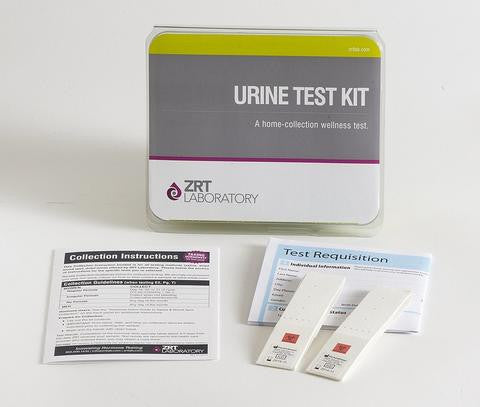
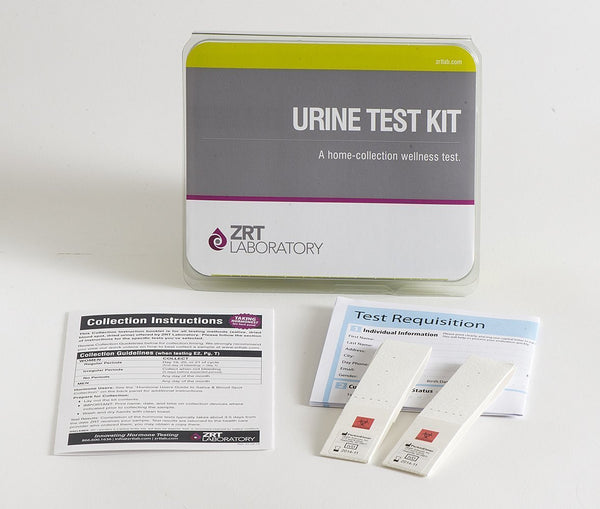
The Test Kit pack includes
- Test Requisition Form includes Symptom Checklist
- Requisition Form to complete, including your personal and medical history
- Contains collection instructions
- Urine Strips for collecting a dried urine sample and Tubes for collecting saliva samples
- Instructions on How to Use Collection Kit
- Return Envelope
- Shipping instruction
NEUROTRANSMITTERS PLAY A KEY ROLE
Regulation of Mood and Emotions
Neurotransmitters such as serotonin, dopamine, and norepinephrine are central to emotional balance, motivation, and the experience of pleasure and reward. When these chemical messengers fall out of balance, symptoms associated with anxiety, depression, and bipolar disorder may develop.
Control of Motor Functions
Acetylcholine, dopamine, and GABA are essential for coordinating movement, muscle control, balance, and overall motor stability. Proper neurotransmitter signalling ensures smooth and controlled physical activity.
Cognitive Function and Learning
Glutamate, acetylcholine, and dopamine contribute to memory formation, attention, concentration, and information processing. These neurotransmitters support learning capacity and overall cognitive performance.
Regulation of Sleep and Wakefulness
Serotonin and norepinephrine help regulate circadian rhythm and sleep architecture. Balanced neurotransmitter activity influences sleep quality, timing, and the transition between sleep stages.
Modulation of Pain Perception
Endorphins and enkephalins assist in reducing the perception of pain by moderating pain signal transmission within the nervous system.
Autonomic Functions
Neurotransmitters regulate essential involuntary functions, including heart rate, blood pressure, digestion, and respiration. Acetylcholine and norepinephrine are particularly important in autonomic nervous system control.
Regulation of Appetite and Satiety
Serotonin and related neuropeptides influence appetite, satiety, and food intake. Disruptions may contribute to eating disorders or weight regulation challenges.
ARE YOU AFFECTED?
Mood Disorders
Altered levels of serotonin, dopamine, and norepinephrine are frequently associated with depression, anxiety disorders, and bipolar disorder. Low serotonin may contribute to low mood, while dopamine imbalance can affect emotional stability.
Cognitive Impairment
Neurotransmitter dysregulation can impair memory, focus, and processing speed. For example, acetylcholine deficiencies are linked to cognitive decline and memory-related conditions.
Sleep Disturbances
Imbalanced neurotransmitters may disrupt sleep-wake cycles, contributing to insomnia, fragmented sleep, or excessive daytime fatigue.
Neurological Disorders
Dopamine disruption is associated with Parkinson’s disease, while imbalances in glutamate and GABA pathways are linked to seizure activity and epilepsy.
Impaired Motor Function
Deficiencies in dopamine and related neurotransmitters can result in tremors, rigidity, and coordination difficulties.
Addiction and Substance Abuse
Dopamine plays a critical role in reward pathways. Dysregulation may increase susceptibility to addictive behaviours and substance dependence.
Hormonal Imbalances
Neurotransmitters influence endocrine function. Persistent imbalances may disrupt hormone production and metabolic regulation.
Digestive Disorders
Serotonin plays a significant role in gut function. Low or dysregulated levels may contribute to gastrointestinal conditions such as irritable bowel syndrome (IBS) and other functional digestive disturbances.
Neurotransmitters & Your Health
Anxiety and Depression
Imbalances in serotonin, norepinephrine, and dopamine are closely linked to anxiety and depressive disorders. Low serotonin levels are commonly associated with persistent low mood and anxious feelings, while disruptions in dopamine and norepinephrine may affect motivation, emotional stability, and stress resilience.
Sleep Disorders
Neurotransmitters regulate the sleep–wake cycle and overall sleep quality. Disturbances in serotonin and melatonin pathways can lead to difficulty falling asleep, staying asleep, or achieving restorative sleep. Reduced serotonin activity, for example, is often associated with insomnia.
Libido and Sexual Function
Dopamine plays a central role in the brain’s reward and pleasure pathways, including sexual desire. Neurotransmitter imbalances may contribute to reduced libido, diminished sexual satisfaction, or related dysfunction.
Premenstrual Symptoms
Fluctuations in serotonin and GABA levels may contribute to mood swings, irritability, and emotional sensitivity before menstruation. Neurotransmitter instability can intensify premenstrual symptoms and affect overall wellbeing.
If these symptoms are present, an underlying neurotransmitter imbalance may be contributing. Objective testing can help identify root causes and guide personalised strategies.
Neurotransmitters & Their Impact
Communication
Neurotransmitters are chemical messengers that transmit signals between nerve cells across synapses, enabling continuous communication between the brain and the body.
Neurological Function
They regulate sensory perception, motor control, cognition, memory, and emotional processing, ensuring coordinated nervous system activity.
Psychological Function
Balanced neurotransmitter activity supports stable mood, motivation, and mental clarity. Imbalances may contribute to depression, anxiety, bipolar disorder, schizophrenia, and other psychiatric conditions.
Neurotransmitter Imbalance
Both deficiency and excess can produce neurological and psychological symptoms. For example, low serotonin may be linked to depressive symptoms, while excessive dopamine activity may contribute to mood instability or psychosis.
Impact on Physical Health
Beyond mental health, neurotransmitters influence autonomic functions such as heart rate, blood pressure, digestion, and metabolic regulation.
Treatment Approaches
Understanding neurotransmitter patterns can guide targeted interventions, including medication, nutritional strategies, therapy, and lifestyle modifications aimed at restoring balance.
Maintaining optimal neurotransmitter balance is essential for both mental and physical health. When dysregulated, the brain and body may become overstimulated or underactive, leading to a wide range of symptoms.
Can a Dysregulated Nervous System Impact Health?
A dysregulated nervous system can significantly impact overall health, as neurotransmitters—like hormones—must remain in careful balance for the body to function optimally. Factors such as genetics, environmental stressors, chemical exposures, and nutritional deficiencies can disrupt neurotransmitter production, leading to either excess or deficiency. When this imbalance occurs, the nervous system attempts to compensate, but over time this adaptation may contribute to neurological or psychological symptoms. Many common mental health conditions are associated with neurotransmitter dysregulation; however, individuals with similar symptoms may have different underlying biochemical patterns. Objective testing helps identify these root imbalances and supports more targeted and personalised intervention strategies.
Neurotransmitters & Symptoms
Do These Symptoms Sound Familiar?
If you regularly experience three or more of the following symptoms, a neurotransmitter imbalance may be contributing: ADD/ADHD, aggression, anxiety, fatigue, forgetfulness, hyperactivity, impulsive behaviours, insomnia, low libido, mood swings, obsessive-compulsive tendencies (OCD), panic attacks, poor concentration, PMDD, severe PMS, or persistent sleep problems. These symptoms often reflect underlying disruptions in serotonin, dopamine, GABA, and related pathways that influence mood, focus, behaviour, and emotional stability.
Male Hormone-Related Symptoms
Male Estrogen/Progesterone Deficiency
May present with bone loss, depression, heart palpitations, hot flushes, neck or back pain, night sweats, and sleep difficulties.
Male Estrogen Dominance / Progesterone Deficiency
Can include irritability, cold body temperature, low libido, prostate concerns, urinary changes, and weight gain around the chest or hips.
Male Low Androgens (DHEA/Testosterone) Deficiency
Common signs include fatigue (morning or evening), reduced stamina, low libido, decreased muscle mass, joint pain, irritability, depression, brain fog, headaches, skin thinning, rapid ageing, waist weight gain, and elevated triglycerides.
Male Low Cortisol
May involve low blood pressure, low blood sugar, fatigue, dizziness, infertility, joint pain, irritability, sugar cravings, and reduced stress tolerance.
Male High Cortisol
Often associated with anxiety, high blood pressure, sleep disturbance, depression, reduced muscle mass, central weight gain, skin thinning, and elevated triglycerides.
Female Hormone-Related Symptoms
Female Estrogen/Progesterone Deficiency
May include hot flushes, night sweats, depression, foggy thinking, vaginal dryness, infertility, incontinence, bone loss, sleep disturbance, tearfulness, and waist weight gain.
Female Estrogen Dominance / Progesterone Deficiency
Common signs include mood swings, irritability, anxiety, water retention, fibrocystic or tender breasts, headaches, uterine fibroids, bleeding changes, and hip weight gain.
Female Low Androgens (DHEA/Testosterone) Deficiency
May present with fatigue, decreased libido, reduced muscle tone, bone loss, memory lapse, vaginal dryness, skin thinning, and reduced stamina.
Female High Androgens
Can involve acne, increased facial or body hair, scalp hair loss, irritability, waist weight gain, and elevated triglycerides.
Female Low Cortisol
Symptoms may include low blood pressure, low blood sugar, fatigue, fibromyalgia-like pain, slow pulse, stress intolerance, and sugar cravings.
Female High Cortisol
Often associated with anxiety, sleep disturbance, depression, memory issues, hot flushes, rapid ageing, bone loss, uterine fibroids, and central weight gain.
Testing & Collection
Persistent symptoms may warrant comprehensive hormone and neurotransmitter evaluation. Saliva hormone testing measures cortisol, estrogen, progesterone, DHEA, and testosterone using a simple, non-invasive collection method. Samples are collected at home at specific times to ensure accurate hormone rhythm assessment.
Neurotransmitters and Children
Neurotransmitter imbalances can influence a child’s emotional, cognitive, and physical development. Disruptions in serotonin levels have been associated with anxiety, low mood, and emotional instability, while dopamine imbalances may contribute to attention deficit hyperactivity disorder (ADHD) and impulsive behaviour. Alterations in acetylcholine and glutamate pathways can affect memory, focus, and information processing, potentially impacting academic performance and learning capacity. Sleep disturbances may also arise when serotonin and melatonin regulation is impaired, leading to difficulty falling or staying asleep.
In some cases, neurotransmitter dysregulation has been linked to developmental conditions such as autism spectrum disorder (ASD), where imbalances in serotonin, dopamine, and GABA pathways may contribute to social communication challenges or repetitive behaviours. Sensory processing difficulties may also occur when neurotransmitter systems involved in sensory integration are disrupted. Because multiple factors—including genetics, early life experiences, environmental influences, and coexisting conditions—can affect neurotransmitter balance, professional assessment and individualised treatment planning are essential. Management strategies may include behavioural therapy, nutritional support, lifestyle interventions, and, when appropriate, medical treatment under specialist supervision.
Neurotransmitters You Should Know
There are many neurotransmitters in the body. The primary messengers are divided into two groups.
Excitatory:
Inhibitory:
Neurotransmitter Imbalance & Chronic Conditions
Numerous neurotransmitter imbalances may cause persistent health concerns:
Neurotransmitter Testing – Giving a Diagnostic Edge in Treating Mood Disorders.
Mental health disorders affect millions of people and profoundly contribute to the burden of disease in society.
The current treatment paradigm in addressing poor brain health relies on diagnostic tools that encompass the evaluation of clinical signs and symptoms. Despite the lack of testable biomarkers for mood disorders, for many patients, treatments can generally be effective. However, even after treatment, frequent relapse episodes can still occur. Furthermore, a large number of patients suffer from treatment-resistant depression. Therefore, the selection of the best therapeutic regimen for each patient remains a challenge and is often discovered through a time-consuming process of trial and error. Also, no single approach works for everyone with any one disorder.
Targeted neurotransmitter testing can help healthcare practitioners achieve a diagnostic edge beyond the traditional psychological inventory by identifying specific imbalances in neurotransmitter levels. Based on neurotransmitter test results, practitioners can identify specific biochemical heterogeneities for each particular patient and objectively monitor therapeutic responses during and after the intervention. Neurotransmitter testing objectively enhances medical assessment and represents a major advance in the personalization of the treatment of mood disorders.
How Neurotransmitters Relay Information within the Body
The brain orchestrates the delicate interplay between the body and the mind. Structural brain units, the neurons, discharge neurotransmitters. These neurotransmitters provide a communication platform for the brain to fuel internal systems with information. Anything the body senses, feels, hears, smells, touches, or ingests serves as an input that prompts an astoundingly fast response. In the central and peripheral nervous system, neurotransmitters operate as chemical messengers that relay the signal and receive feedback via electrochemical impulses to regulate cognition, memory, emotions, respiration, heart rate and contractility, digestion, metabolism, blood flow and pressure, and hormonal responses. When released from peripheral organs, neurotransmitters can also behave as hormones by diffusing to distant sites via circulation.
The Benefit of Testing Saliva Hormone Tests with Neurotransmitters Test
The combined testing of saliva hormone levels, including Estradiol, Progesterone, Testosterone, DHEAS (DS), and Cortisol, with neurotransmitters provides several benefits in assessing and managing overall hormonal and neuroendocrine health. Here are the potential benefits of this comprehensive testing approach:
By combining saliva hormone testing for Estradiol, Progesterone, Testosterone, DHEAS (DS), and Cortisol with neurotransmitter analysis, a comprehensive assessment of hormonal and neuroendocrine health is achieved. This approach provides valuable insights into imbalances, stress response, and the interplay between hormones and neurotransmitters. Working with qualified healthcare professionals is essential to accurately interpret test results and develop tailored treatment plans that address individual needs and support optimal health and well-being.
Clinical Utility & Validity of Urinary Neurotransmitter Testing
Mood disorders are complex and often involve imbalances across multiple neurotransmitter systems interacting with hormones and the gut–brain axis. When these chemical messengers fall out of balance, symptoms such as anxiety, depression, fatigue, and cognitive difficulties may occur. Urinary neurotransmitter testing provides objective biochemical data that helps identify specific excesses or deficiencies, supporting more targeted and personalised treatment strategies rather than relying solely on trial-and-error approaches.
Although urine testing is not a direct measurement of brain levels, urinary patterns often reflect systemic neurotransmitter activity and can provide meaningful insight into overall neurochemical regulation. This broader functional perspective assists healthcare providers in tailoring interventions based on measurable data.
Dried Urine – A Convenient Option
Dried urine collection is non-invasive and simple to perform at home. Instead of a 24-hour liquid collection, four small samples are collected at specific times during the day (morning, mid-morning, evening, and bedtime) using filter cards. Once dried, the samples are mailed to the laboratory. This method improves convenience, compliance, and practicality in clinical use.
Considerations
- Dopamine,generally regarded as the brain’s pleasure and reward centre, plays the central role in addiction, improves attention, focus and motivation, and modulates movement control.
- Epinephrineand Norepinephrineregulate the “fight or flight” response, elevate blood pressure and heart rate, stimulate wakefulness and reduce digestive activity.
- Glutamatefunctions as the “on” switch in the brain. It’s the major excitatory neurotransmitter that decreases sleep, optimizes learning, memory, and mood, and improves libido.
- Histamineplays a role in the body as a neurotransmitter that increases metabolism, promotes wakefulness, and suppresses appetite.
- PEA (phenylethylamine)promotes energy, elevates mood, regulates attention aggression and serves as a biomarker for ADHD.
- GABAfunctions as the “off” switch in the brain. It’s the major inhibitory neurotransmitter that improves mood, relieves anxiety, and promotes sleep.
- Glycineplays a dual role as a neurotransmitter and amino acid that serves as a building block to proteins, improves sleep quality, calms aggression, and serves as an anti-inflammatory agent.
- Serotonin, generally regarded as the “happiness molecule,” contributes to the feeling of calm and well-being that eases depression and anxiety, supports sleep and decreases appetite.
- Anxiety & Depression:Imbalances are often associated with Glutamate (panic attacks), PEA, Histamine, Serotonin, as well as Epinephrine and Norepinephrine.
- Fatigue:An imbalance between excitatory and inhibitory neurotransmitters is likely.
- Impulsivity:GABA, Dopamine, and Serotonin are three chemical messengers commonly linked to disorders like ADD, ADHD, and OCD.
- Insomnia:Glutamate, Histamine, Dopamine, GABA, and Serotonin are several chemical messengers often linked to sleep disturbances and insomnia.
- PMS or PMDD:Imbalances such as Serotonin, Dopamine, Norepinephrine, and GABA are often involved
- Hormonal Balance Assessment: Saliva hormone testing allows for a precise evaluation of hormone levels, including Estron, Estriol, Estradiol, Progesterone, Testosterone, and DHEAS. This assessment helps identify hormonal imbalances that may be contributing to various symptoms and conditions, such as menstrual irregularities, infertility, mood swings, low libido, and fatigue.
- Neuroendocrine Function Evaluation: Neurotransmitters play a crucial role in regulating mood, behaviour, and cognitive function. By combining saliva hormone testing with neurotransmitter analysis, a comprehensive assessment of the neuroendocrine system is achieved. This provides insights into the interplay between hormones and neurotransmitters, offering a more complete understanding of the factors influencing mental and emotional well-being.
- Stress Response Assessment: Cortisol, a stress hormone, affects multiple body systems and plays a role in managing stress. Measuring cortisol levels alongside neurotransmitter and hormone testing provides insights into the body's stress response and its impact on neuroendocrine balance. This information helps identify adrenal dysfunction, chronic stress, and its potential effects on mental and physical health.
- Personalized Treatment Approach: The integration of saliva hormone testing with neurotransmitter analysis enables healthcare providers to develop personalized treatment plans. This comprehensive approach allows for targeted interventions, including hormone replacement therapy, nutritional support, stress management techniques, and lifestyle modifications tailored to address specific imbalances.
- Improved Symptom Management: By identifying and addressing hormone imbalances and neurotransmitter irregularities, this combined testing approach helps in managing symptoms associated with hormonal and neuroendocrine disorders. It provides valuable insights for optimizing hormone levels and supporting overall well-being.
- Optimized Neuroendocrine Health: The comprehensive evaluation of both hormone levels and neurotransmitters supports the optimization of neuroendocrine health. It allows for a more thorough understanding of the underlying factors contributing to symptoms, offering an opportunity for targeted interventions and improved overall health outcomes.
- The neurotransmitter test assumes proper kidney function. Neurotransmitter levels are reported in µg/g creatinine, where creatinine is measured from the same sample. This test should not be used in individuals with compromised renal function.
- The sample can become very dilute due to increased fluid consumption during the day. Therefore, on the day of testing, individuals should restrict their liquid intake to normal consumption.
- On the day of testing, individuals are advised to refrain from consuming alcohol, nicotine, bananas, pineapple, and walnuts as they may interfere with testing.
You might also like