

ZRT Laboratory Test Reports
Understanding Your ZRT Laboratory Test Report
For hormones, neurotransmitters, heavy metals and nutrients
ZRT's reports are the most meaningful because they combine the patient's test levels with self-reported symptoms that are then correlated into a set of individualized comments - all giving health care providers unparalleled insight into patient conditions.
Your laboratory report is one part of understanding your health. The results should be considered alongside your symptoms, medical history, medicines and any other investigations. A result on its own does not establish a diagnosis or explain every symptom. A healthcare professional can help you understand what the findings mean in your circumstances.
Reading Your Results
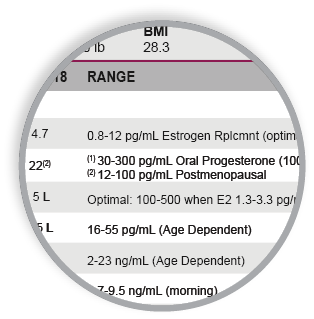
Begin by checking the patient details, test name and sample information on your report. Then review each measured marker together with its units and the reference range supplied by the laboratory. Different tests and sample types can use different units and ranges, so avoid comparing numbers from separate reports without checking that they are comparable.
A reference range provides context for a result; it is not a personal treatment target. A result outside the range does not automatically mean that you have a medical condition, and a result within the range does not rule out every possible cause of symptoms. If a value is unexpected, ask your healthcare professional whether further assessment is appropriate.
Symptoms and Laboratory Comments
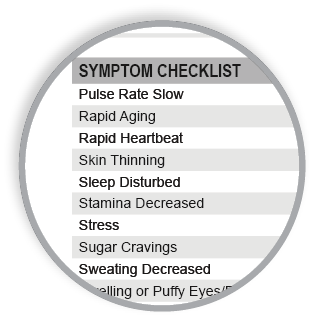
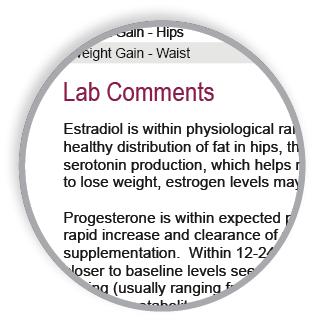
Read the laboratory comments alongside the measured results rather than treating either as a standalone answer. The symptom information you provide can help give the report context. Tell your healthcare professional about any relevant changes since you completed your questionnaire, including new symptoms or changes to prescribed treatment.
Tracking Progress is Simple
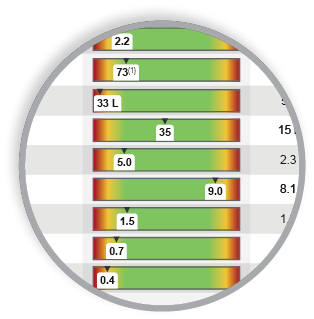
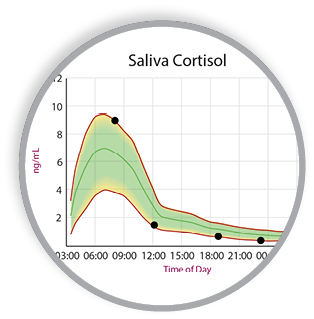
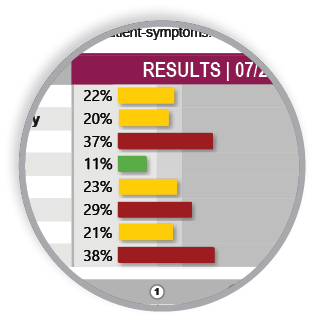
Our (ZRT Lab) reports show current results, as well as up to three historical results - making it easy for practitioners and patients to see progress over time. Patient symptoms are also shown with histories, so it's easy to see when red bars change to green bars as patient health improves.
When reviewing changes over time, consider whether the sample type, collection timing and circumstances were similar. Keep copies of previous reports to discuss at appointments. Do not start, stop or adjust prescribed medicines or hormone treatment solely on the basis of a laboratory report without advice from your prescribing healthcare professional.
View a Sample Report
The sample hormone report below lets you explore the format before reviewing your own results. It is an example, not a guide to what your personal results should be. The markers and information included in your report depend on the test ordered.
Clic to See >> SAMPLE HORMONE TEST RESULT REPORT